
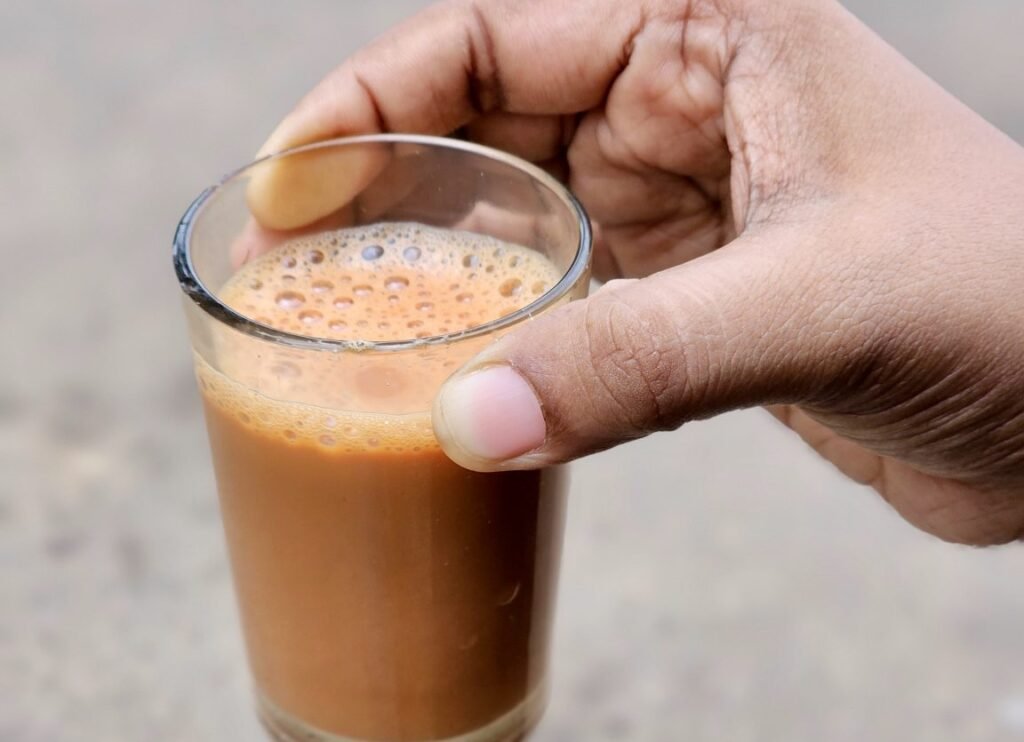

When you think about Mauritius, sun-kissed beaches and turquoise waters probably come to mind first. But beneath all that beauty lies another daily ritual: the passionate debate between tea or coffee in Mauritius. Here, hot drinks are way more than just a morning boost. They’re woven into daily life, shaped by centuries of colonial influence, family tradition, and even today’s fashion for chic coffee shops.
- Key details for tourists:
- Classic Mauritian tea: Black tea, often with vanilla, sweetened with condensed or powdered milk
- Bois Chéri and Corson plantations: The heart of the island’s tea production
- Coffee shops are especially vibrant in Ebène and Grand Baie
- Try authentic tea and coffee in local cafes, markets, or directly at plantations
The Roots of Tea Culture in Mauritius
If you visit any Mauritian home around breakfast, or pause at a roadside tea stall after work, you’ll quickly learn this: tea is more than a drink. It’s hospitality, comfort, and a taste of local life. The classic Mauritian cup starts with black tea, sometimes infused with vanilla, and transforms with generous spoonfuls of sugar and a good pour of sweetened condensed milk. Sometimes powdered milk stands in. The result is creamy, fragrant, and satisfying. Bois Chéri and Corson are the most recognized names, both are working tea estates you can actually tour.
Families pass down their own tea rituals, and Sunday mornings on the island nearly always include a hot cuppa, maybe alongside ‘gato diluil’ or other local pastries. If you really want a taste of this tradition, sign up for a street food tour at mauritiusevents.com. Street vendors, markets, and small shops are your best bet for truly authentic Mauritian tea.
Mauritius Trip Planner
Where to Try the Best Tea
- Bois Chéri Tea Plantation: Near the island’s southern highlands, you can walk the fields, visit the museum, and sample teas in their panoramic restaurant. Bookings are recommended, especially on weekends.
- Corson Tea Factory: Located in the west, Corson offers a different glimpse of local production, smaller tours, but just as steeped in history.
- Central Markets: Port Louis and towns like Quatre Bornes or Rose Hill always have stalls preparing hot tea on the spot.
Mauritius’ Rising Coffee Culture
For many years, tea dominated the Mauritian beverage scene. That’s changed fast, though. Coffee is making a big comeback, spurred on by urban growth and a new generation eager for espresso, latte art, and specialty cold brews. You’ll notice plenty of cafes popping up in Ebène (the island’s tech business hotspot) and Grand Baie along the coast. Locals go for an afternoon flat white as often as the old-school ‘ti café’ after lunch.
Coffee here usually means imported beans, with a growing number of spots roasting locally. Most traditional Mauritian coffee is strong and served black or with a hit of condensed milk, often paired with pastries or a sweet treat. Urban coffee shops, on the other hand, serve everything from iced coffee to elaborate flavored lattes. If you’re curious about which cafes or stalls are trending, just follow the relaxed mid-morning crowds in the business districts or look up “coffee shops Grand Baie.” And again, mauritiusevents.com has tours and tastings that dig into the island’s ever-changing food and drink scene.
Health and Rituals: More Than Just a Drink
Both tea and coffee play unique parts in Mauritian routines. Tea is traditional for family gatherings and often marks the start or closing of work meetings. Coffee, with its higher caffeine punch (a single espresso averages 80, 100 mg of caffeine), is perfect if you’re in need of that mid-afternoon wakeup. Both drinks are rich in antioxidants. And honestly? Once you’ve sipped sweet tea at a local’s kitchen table, or enjoyed people-watching from a terrace coffee shop in Port Louis, you’ll understand why choosing between them feels impossible.
If you’re a tourist looking for Mauritius’s traditional flavors, don’t miss out on these authentic beverage moments! And if you want to go beyond what you find in guides, consider joining a local street food tour at mauritiusevents.com, you’ll taste the real Mauritius, one cup at a time.
For more on food adventures, you may also like our feature on Taste of Shangri-La: Mauritian Cuisine Goes International This October or explore the full range of local food and drink tours.
Source: ION News
Frequently Asked Questions
Where can I try authentic Mauritian tea or coffee?
Visit the Bois Chéri or Corson tea plantations, central markets, or one of the many local coffee shops in Ebène and Grand Baie. Street food tours via mauritiusevents.com are also a great option.
What makes traditional Mauritian tea unique?
It’s often flavored with vanilla and sweetened with condensed or powdered milk, resulting in a creamy, fragrant drink enjoyed during family gatherings and social breaks.
Is the coffee in Mauritius locally grown?
Most coffee is imported, but several shops now roast their own beans. Coffee culture is rapidly growing, especially in urban areas.
How can I experience local food and drink culture?
Joining a street food tour from mauritiusevents.com lets you sample tea, coffee, and other Mauritian specialties as locals enjoy them.
Discover Mauritius' tea and coffee rituals on a guided food tour with MauritiusEvents.com, and taste the island’s most authentic hot drinks where locals gather.
Explore island sightseeing tours →