
Mauritius sacred sites are among the island’s most unique cultural highlights, drawing visitors each year who want to understand the country’s rich religious and spiritual heritage. Earlier this month, the Mauritius Tourism Authority issued an official reminder to all tourism operators, and by extension, tourists, about appropriate conduct when visiting these sacred places. This matters to every traveler, whether you’re joining an organised excursion, passing a temple on the road, or just curious about the blend of cultures that makes Mauritius so distinctive.
Key details for tourists
- The Tourism Authority statement was published July 3, 2026, and applies to all tourist and tour operators from this point onward.
- Guidelines concern conduct, attire, noise, and tour organisation at all religious and sacred sites across Mauritius.
- Operators have been instructed to brief visitors in advance and ensure compliance with guidelines.
Why This Guidance Matters for Your Trip
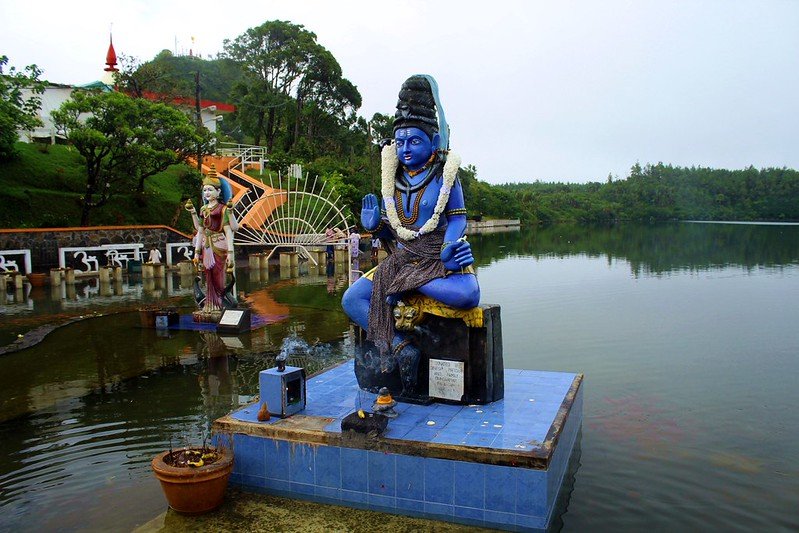
While Mauritius is famous for its beaches and sunny climate (especially during the current dry winter season), the island is also dotted with temples, churches, mosques, and shrines that are deeply important to locals. Many of these places, like the Ganga Talao (Grand Bassin) lake, Kwan Tee Pagoda, or Marie Reine de la Paix, welcome respectful visitors. However, recent concerns about inappropriate dress, rowdy behaviour, and even food or smoking in prohibited areas have prompted authorities to reiterate the basic ground rules. Violations not only risk offense, but can disrupt important rituals or celebrations.
What Does the Tourism Authority Require?
- Dress appropriately: Shoulders and knees must be covered when entering temples, shrines, mosques, or churches. Carry a scarf or wrap if you might visit religious places during day trips. Swimwear and uncovered torsos are strictly prohibited inside all sacred spaces.
- Silence and respect: Keep voices low, set phones on silent, and avoid taking calls inside places of worship. Many Mauritians pray at all times of day, your silence is a welcome courtesy.
- No food, drink, or smoking: Eating, drinking, or smoking is not allowed on the premises of any religious site, even in outside courtyards unless signage clearly allows it.
- Photography: Ask before taking photos. Some areas forbid photography altogether. Respect any signs that say “no photos,” and never photograph people at prayer without express permission.
- Stay with your group: Tour operators must brief clients before arrival. If you’re with a guide, follow their instructions for movement and areas that are off-limits to visitors.
Planning a Visit: Practical Tips
If you plan to explore Mauritius sacred sites, add a scarf and a pair of long trousers or a skirt to your daypack, these are a simple fix for turning beach attire into something more suitable. Note that sandals are fine, but you may be asked to remove them before entering indoor spaces. If you’re joining a guided tour, don’t be shy to ask your guide about any specific customs, the more you observe, the more you’ll be welcomed.
Mauritius Trip Planner
I’ve noticed that groups arriving together tend to attract attention, sometimes less for breaking rules, more for not realising a special celebration or prayer is underway (especially on weekends or festival days). If possible, check in advance whether festivals or ceremonies are scheduled, as these can be a magical experience but also require heightened respect and sometimes restricted access.
Mauritius flourishes precisely because so many cultures and religions share space peacefully. Experiencing this firsthand, with appropriate sensitivity, is one of the most rewarding aspects of travel here. For more advice on access and etiquette at Mauritius landmarks, including public beaches, which often border religious precincts, you may also find our guide Beach Access in Mauritius: Essential Guide for Tourists on Public Rights useful.
For official information, check the Mauritius Tourism Authority website.
Source: Île Maurice Tourisme
Frequently Asked Questions
What should I wear when visiting sacred sites in Mauritius?
Cover shoulders and knees, avoid swimwear, and bring a scarf or wrap for extra coverage if needed.
Is photography allowed at temples or churches in Mauritius?
It depends—always check for signage and ask permission. Some areas prohibit photos or videos.
Can I eat or smoke at religious sites?
No, eating, drinking, or smoking is prohibited on the premises of all sacred sites.
Are guided tours required to brief tourists before visiting a sacred site?
Yes, the Tourism Authority requires operators to inform visitors in advance about site conduct and rules.