
The high swell warning for Mauritius has officially been lifted as of May 10, 2026, bringing a sigh of relief for both locals and tourists eager to make the most of the island’s beautiful beaches. As someone who calls this paradise home, I know firsthand how eagerly we watch the forecasts—especially during the winter dry season, when the weather is near-perfect but sea conditions can sometimes surprise us. Here’s everything you need to know if you’re visiting now.
High Swell Warning Mauritius: What It Means for Your Beach Holidays
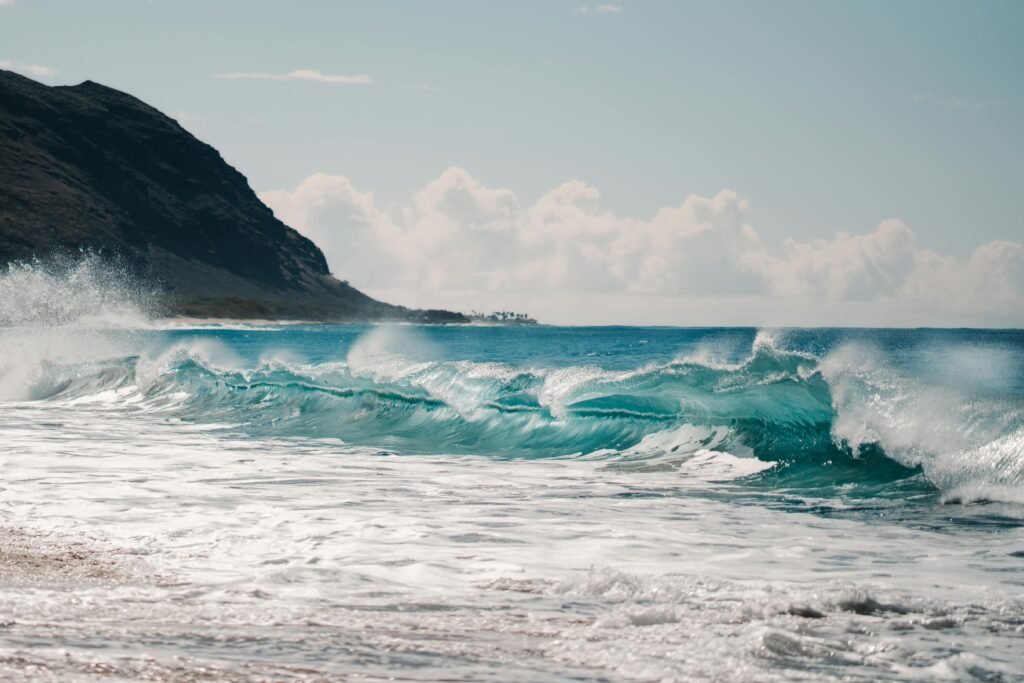
High swell warnings are issued in Mauritius when powerful waves from the open ocean, often generated by distant weather systems, have the potential to impact our coastline. These swells can create hazardous conditions for swimming, water sports, and boating. For tourists, such warnings are crucial to note—especially since you may have arrived with visions of lazy beach days and tranquil seas.
The recent warning, now ended, was a common occurrence for the southern hemisphere’s winter period. Even though the official alert is over, it’s wise to remain vigilant: rough sea conditions can sometimes linger, and specific beaches might still experience stronger currents or larger waves than usual.
Mauritius Trip Planner
Current Sea Safety Advice After the High Swell Warning Mauritius
Mauritius’ winter—from May through October—is generally dry, sunny, and slightly cooler than the humid summer months, making it a fantastic time for beach trips and exploring coastal villages. Even as the high swell warning has been lifted, here is what I recommend for safe and enjoyable beach days:
- Swim only where lifeguards are present: Always prefer supervised beaches, and check for any local alerts or red flags before entering the water.
- Observe the sea: If you notice bigger-than-usual waves or powerful surges, avoid swimming and water sports in those areas for now.
- Be mindful of currents: Even as sea conditions improve, undercurrents can persist. If unsure, ask lifeguards or locals for advice.
- Keep children close: For families, ensure little ones stay well within designated safe zones on the beach.
- Double-check activities: Before booking boat trips, snorkelling excursions, or water sports, confirm that operators have resumed normal operations and that current conditions are safe.
For an in-depth look at coastal and sea safety, you might want to read “Mauritius Weather: Sea Safety Update and Coastal Conditions for Tourists”.
Beach Weather Returns: What to Expect During Mauritius’ Winter Season
While summer is settling in back in Europe, Mauritius is just entering its dry winter—a time many consider ideal for travel. Daily highs typically sit around the mid-20s Celsius (mid-70s Fahrenheit), humidity drops, and rain showers are rare, making it perfect for exploring beaches, hiking, or relaxing at your resort.
With the high swell warning over, most shores are welcoming back swimmers and sun-seekers. Don’t forget a hat and sunscreen, as the tropical sun still packs a punch even in winter! If you plan to enjoy water-based activities, pack appropriate footwear for coral, and remember a light cover-up for breezy evenings. Always keep an eye on local weather forecasts: conditions can change unexpectedly in the Indian Ocean, and safety should always come first. For general updates, check the official Mauritius Meteorological Services.
What If Another Swell Warning Occurs?
If you see a new high swell warning for Mauritius during your stay, don’t worry. Most hotels and tour operators are quick to inform guests of any hazards or restrictions. High-intensity swells are usually short-lived, rarely impacting holiday plans for more than a day or two. It’s always wise to be flexible: enjoy inland adventures, sample local cuisine, or explore heritage attractions while waiting for the sea to calm. For future updates on potential warnings, you can revisit our coverage: “Warning: Strong Swells Expected in Mauritius and Rodrigues This Weekend”.
Why Staying Informed Matters for Every Tourist
As a resident, I can assure you that Mauritius’ charm lies as much in her people and culture as in her beaches. Your safety is always our priority. Paying attention to weather advisories and sea safety guidelines ensures that your time here stays relaxing and worry-free. So as the island returns to gentle tides and favorable weather, plan confidently—but take a moment to stay informed. Your dream beach holiday in Mauritius awaits, with only the best memories to bring home!
Source: Maurice Info
Frequently Asked Questions
Is it safe to swim in Mauritius now that the high swell warning is over?
Yes, the high swell warning has been lifted, but always check for local safety flags and current beach conditions before swimming.
How does winter in Mauritius affect beach conditions?
Mauritius' winter is dry and sunny with cooler temperatures, offering perfect beach weather—though occasional strong swells may occur.
What should I do if another high swell warning is issued during my stay?
Follow local advisories, avoid high-risk water activities, and choose alternative inland experiences until sea conditions improve.
Where can I get the latest weather and sea safety updates in Mauritius?
You can consult the Mauritius Meteorological Services website or ask your hotel or tour operator for the latest information.