
What South East Mauritius Offers Tourists
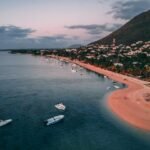
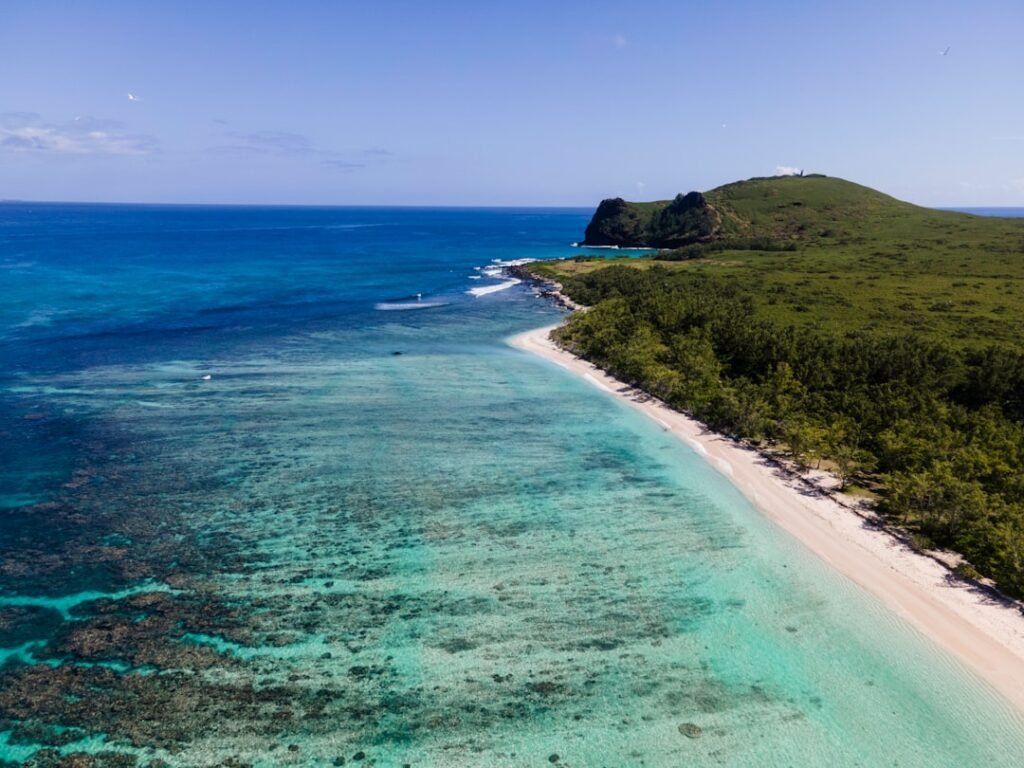
If you ask me where to go for clear lagoons, genuine villages, relaxed beaches and a taste of old Mauritius, I’ll send you to the South East. This slice of Mauritius reaches from Mahébourg and Blue Bay to Pointe d’Esny, Palmar, Belle Mare and Trou d’Eau Douce. It’s less developed than the North or West, so the pace is a notch slower. You get dramatic volcanic coastline, the fish market buzz of Mahébourg, protected reefs for snorkeling, and national heritage sites all within a short drive of the airport. The region is friendly to families, couples after quiet time, kitesurfers, and anyone who prefers a more local vibe over all-night nightlife.
Types of Accommodation in South East Mauritius
There’s a comfortable range of South East Mauritius accommodation for every kind of traveller, from backpackers to five-star holidaymakers.
Luxury Beachfront Resorts
If you want all the bells and whistles, think pools, spas, sea-view rooms, huge gardens, and on-site dining, the luxury resorts at Belle Mare or Blue Bay will fit. These are all-inclusive or half-board and suit both couples and families.
Mauritius Trip Planner
Boutique Hotels & Eco-Lodges
I sometimes recommend intimate colonial homes or eco-retreats set beside nature reserves like Ferney. They tend to offer personal service, garden settings, and a real sense of Mauritian hospitality.
Guesthouses & B&Bs
Local, budget-friendly South East Mauritius accommodation often comes in the form of family-run guesthouses in Mahébourg or Pointe d’Esny. These are typically simple but very welcoming. You wake to homemade breakfasts and friendly chats that big hotels just can’t match.
Self-Catering Villas & Apartments
If you want independence or are here with friends or family, villas and serviced apartments line Blue Bay, Pointe d’Esny and Palmar. Many come with kitchens and private gardens. Some are steps from the beach, others tucked back behind the coastal road.
- Luxury resorts: amenities include pools, spas, all-day dining, water sports, kids’ clubs, and private beaches.
- Boutique stays: eco-lodges or small hotels, often close to natural reserves or tucked near the lagoon.
- Guesthouses: budget-friendly, local breakfast included, sometimes basic facilities but big on warmth.
- Villas/apartments: perfect for longer stays, families, or those wanting to self-cater.
Typical Price Ranges and What to Budget
Costs swing quite a bit depending on time of year, comfort level, and how many extras you want. Here’s what I usually tell friends for South East Mauritius accommodation:
- Guesthouses/B&Bs: €35, €90 per night (low season brings the best deals, usually June through September; expect rates to rise in mid-November to April, school holidays or festive times)
- Mid-range hotels & B&Bs: €85, €160 per night, with some special deals outside school holidays
- Luxury resorts: €180, €380 per night, usually higher from late November to April
- Villas/apartments: €70, €220 per night; families and groups can get great value by splitting costs
High season, especially around the holidays or the local summer (late December to Easter), means fuller hotels and higher rates, sometimes pushing prices up 20% or more. June to September is a quieter, cooler period: the sea stays warm and you’ll often find midweek and off-peak discounts.
Best Areas Within South East Mauritius to Stay
The main choices boil down to four or five zones, all with their own flavor:
- Blue Bay: For easy beach access, excellent snorkeling in the marine park, and proximity to the airport.
- Pointe d’Esny: Quiet, mostly residential, ideal for privacy, self-catering and lagoon scenery. Fewer facilities right on the beach.
- Mahébourg: Real-town feel with a market, old buildings, budget B&Bs, and quick access to excursions.
- Belle Mare & Palmar: Larger resorts, long family-friendly beaches, and lots of water sports (especially windsurfing and kitesurfing at Palmar from May to September).
- Trou d’Eau Douce: Gateway for trips to Île aux Cerfs, has both guesthouses and higher-end hotels.
What’s Nearby: Beaches, Attractions, and Food
Staying in South East Mauritius means you’re spoiled for choice. A few highlights:
- Blue Bay Marine Park: Top spot for guided glass-bottom boat tours and some of the best snorkeling on the island.
- Pointe d’Esny: Go for sunrise walks and calm lagoon swims, but bring what you need, the beach is relatively untouched with minimal facilities.
- Mahébourg: Explore the historic waterfront market and local street food. The National History Museum is worth a half-day.
- Belle Mare/Palmar: Long sandy shore, good for families; Palmar is especially lively on weekends with local families and snack trucks.
- Island excursions: From Mahébourg and Trou d’Eau Douce, regular boats head to Île aux Aigrettes (nature reserve), Île aux Cerfs, and tiny sandbanks, especially popular in dry weather.
- Food: Find casual seafood restaurants in Blue Bay and Mahébourg, the odd beach snack stall at Palmar and Belle Mare. For more Indian-Mauritian fare, see our local Namaste Restaurant review.
What to Expect Across the Seasons
The South East sits on the windward coast, so the trade winds have their say. Here’s the honest breakdown across the whole year:
- November, April (Summer/High season): Hot and humid, temperatures in the high 20s or low 30s, short rain showers in the afternoon, best for swimming and snorkeling but some risk of cyclones. Sea is especially warm and calm inside the lagoons.
- May, September (Winter/off-peak): Drier and cooler, around 22 to 26°C, southeast winds pick up, great for kitesurfing and windsurfing at Palmar but can make swimming choppy some days. Fewer crowds, more local families at the beach on weekends.
- Anytime: The sea is always swimmable, though the wind can make the east coast feel fresh. For detailed seasonal forecasts, check our weather guide.
On weekends, especially Sunday, expect beaches like Blue Bay and Palmar to fill with Mauritian families picnicking, bringing music and a cheerful vibe. Weekdays are usually much quieter.
Booking Tips for South East Mauritius Accommodation
- For best value, look at guesthouses or self-catering villas outside school holidays.
- Plan ahead if you want a luxury resort or popular boutique hotel, these fill early in holiday periods.
- Many local places require a deposit by bank transfer, not all take international cards, double check payment details.
- If easy snorkeling is top of your list, focus on Blue Bay or a private villa at Pointe d’Esny.
- Be ready for winds from May, September if you’ll be on the beach every day, bring a windbreaker or light sweater for evenings.
If you’d like to compare with other Mauritius regions or chase a different vibe (like the calm west coast), have a look at our Albion Beach guide or the local’s take on Tamarin Beach.
Frequently Asked Questions
What's the best area to stay in South East Mauritius?
Blue Bay is perfect for snorkeling and proximity to the marine park, Mahébourg suits those seeking local life, and Pointe d'Esny is quiet for self-catering and privacy.
How much does accommodation cost in South East Mauritius?
Guesthouses start around €35–90 per night, mid-range hotels vary from €85–160, and luxury resorts can reach €380 per night or more in high season.
What's the weather like in South East throughout the year?
Summer (November–April) is hot, humid and lively with warm sea. Winter (May–September) is cooler, windier, and ideal for water sports but still pleasant for most visitors.
Browse all accommodation in South East
Turn what you just read into a real experience. Our local team on MauritiusEvents.com helps you book ocean & cruises with personal assistance — including in Hungarian, German and Italian.
Discover catamaran cruises & sea trips →