
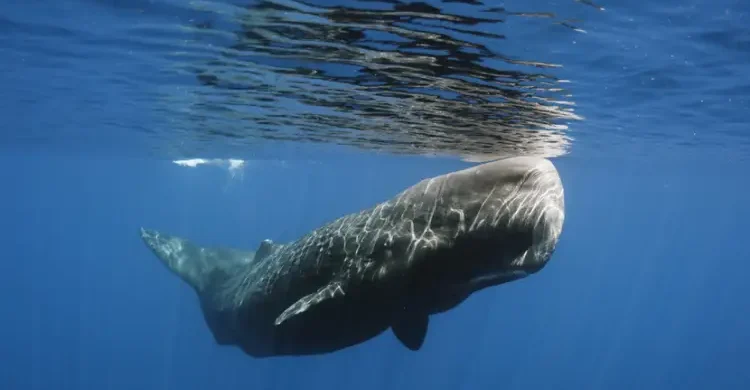

Swimming with whales in Mauritius has become a hot topic recently after the authorities confiscated two boats involved in illegal ‘swim with whale’ tours. While this action by the Mauritius Tourism Authority (MTA) marks a positive step, many are now questioning whether it will prompt more rigorous and consistent enforcement, and what it actually means for visitors and local marine life.
Key details for tourists
- Date of boat confiscations: Announced November 3, 2026
- Swimming with whales is prohibited in Mauritius: No recreational operator is legally allowed to offer swimming with whales
- More than thirty fines have been imposed by authorities for illegal swimming activities with whales, including equipment confiscations
- Boat operators caught offering such experiences face confiscation, fines, and sanctions
- Enforcement conducted by: Mauritius Tourism Authority (MTA) and marine police
Why is swimming with whales illegal in Mauritius?
Mauritius is home to sperm and humpback whales, which draw many visitors to the island each year. Although whale watching boat tours are permitted under strict guidelines that protect both animals and the people observing them, swimming with whales is completely prohibited. This regulation is in place to prevent harassment, stress and potential injury to these protected marine mammals, as well as to ensure the safety of tourists. Only researchers with special permits may enter the water with whales, usually for scientific study or authorized filming.
Despite these laws, there has been a growing market for illegal swimming with whales, often promoted as exclusive or influencer-style experiences. Reports and videos have surfaced of boats chasing whales and people swimming too close or even harassing the animals, raising international concern and triggering more active enforcement this year.
Mauritius Trip Planner
Recent crackdown: Will it be enough?
The recent confiscation of two boats was widely welcomed by environmental campaigners and responsible operators. According to the activist commentary in the Mauritian press, this move comes after years where illegal operators had little fear of real consequences, and only random, easily avoided inspections took place. Campaigners are pushing the authorities to publish the names of the sanctioned operators, so the public knows whom not to trust with bookings. They also argue spot checks are often tipped off among operators, reducing their effectiveness.
While authorities have imposed over thirty fines and seized equipment in 2026, critics say dozens of boats violate the rules every day during the busy whale watching period. The current call from environmental groups is not to stop now: they want truly random inspections, visible penalties, and full transparency. As someone based here, I can say that ethics vary widely on the water, so the risk for the animals is real, especially now in the hot, wetter months from November to April, when both whale activity and tourist numbers are at their peak.
What this means for tourists
- Do NOT book any tour promising swimming with whales or close in-water encounters. These are illegal and unsafe.
- Stick to reputable, licensed operators who offer respectful whale watching tours that follow speed limits and approach distances.
- If you see unsafe or illegal behavior, report it to the Mauritius Tourism Authority or local police. Video evidence can help.
- Remember, contributing to illegal activities can harm both wildlife and the reputation of Mauritius as a responsible tourism destination.
Choosing a legal, ethical whale watching trip supports conservation and local jobs, and rewards operators who follow the law. For a deeper guide to ethical marine wildlife tours, see our article “Mauritius Dolphin and Whale Watching: New Enforcement Squad Protects Tourists and Wildlife”.
Looking ahead: Ongoing vigilance
With public awareness rising, whistleblowers and NGOs plan to keep monitoring illicit activity at sea. It will take ongoing, random, and transparent enforcement to ensure Mauritius’ whales are truly protected for future generations. Until authorities regularly crack down and name wrongdoers, the temptation for some operators to bend the rules will remain high, especially with so much money at stake.
My honest advice: book only with licensed, conservation-minded companies, and double-check what your tour promises you’ll do at sea. It’s remarkable to witness these incredible animals behaving naturally, from a respectful distance, and it means you’ll leave the ocean as you found it, safe for whales and for everyone after you.
For the latest updates on marine and other travel safety in Mauritius, the Mauritius Tourism Authority website is a good official resource.
Source: Editor + www.scoop.mu
Frequently Asked Questions
Can I legally swim with whales in Mauritius?
No, swimming with whales is strictly prohibited for tourists in Mauritius. Only licensed researchers may enter the water with whales under special permit.
What should I do if I see a tour operator offering illegal whale swims?
Report any illegal offers or suspicious activity to the Mauritius Tourism Authority or marine police, ideally with video or photo proof.
Are whale watching tours still available?
Yes, respectful whale watching from boats is allowed and popular. Choose licensed operators who follow wildlife protection rules.
Why is swimming with whales banned?
Swimming disturbs and sometimes harms the whales. The ban protects wildlife and ensures a safe, sustainable experience for all.
Experience ethical whale and dolphin watching on a boat tour in Mauritius—book responsibly for a magical encounter that supports marine conservation.
Discover catamaran cruises & sea trips →