
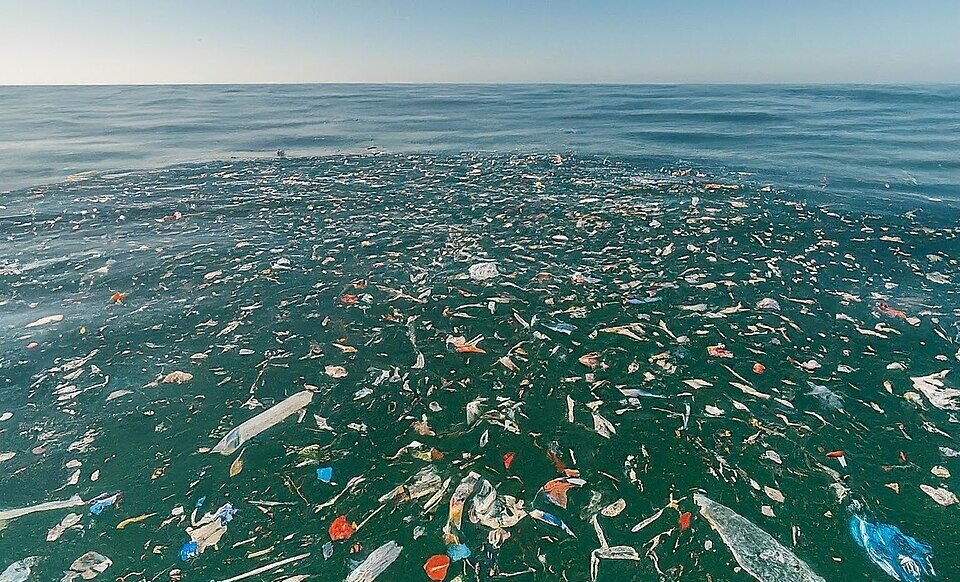

Ocean-dissolving plastic might soon become a reality in Mauritius, a country where marine microplastics have become an ever-present concern for both locals and tourists. Earlier this month, researchers from Japan unveiled a new synthetic material that completely disappears in seawater in as little as one to three hours, leaving no trace of microplastics or toxic fragments. This breakthrough could transform beach experiences, marine life health, and waste management on Mauritius’ coastlines.
Key details tourists should know:
- The new plastic dissolves fully in seawater within 1, 3 hours
- Developed by RIKEN Center for Emergent Matter Science and University of Tokyo
- Targets microplastic pollution that threatens Mauritius and the broader Indian Ocean
- Potential to replace single-use plastic drink bottles and packaging
The Microplastic Challenge in Mauritius
Mauritius, like many island destinations, faces a nagging issue with plastic pollution. Even when you’re walking the cleanest beaches, fragments of plastic bottles and packaging sometimes peek out of the sand or float at the high tide line. More worrying is what you don’t see: microplastics, tiny toxic particles that result when plastic breaks down in the ocean. These invade the lagoons, threaten coral reefs, and work their way up the food chain, putting local marine species (and ultimately humans) at risk.
Mauritius Trip Planner
For tourists, this means popular swimming and snorkeling sites can be affected by water quality issues, and many responsible travelers now choose resorts and tours with robust environmental policies. Mauritian waste management facilities, like the Mare Chicose landfill, strain to keep up with mounting single-use plastics, especially from the tourism sector.
The Japanese Innovation: How Ocean-Dissolving Plastic Works
The material, developed by scientists at the RIKEN Center and University of Tokyo, utilizes supramolecular chemistry. Instead of depending on petroleum-derived polymers that can persist for centuries, this synthetic plastic is made from ionic monomers held together by reversible salt bonds. Under daily use, it’s just as tough and flexible as traditional plastic, think water bottles or takeaway containers. But the trick is its vulnerability in seawater. When exposed to ocean conditions, its structure disassembles rapidly, dissolving completely within one to three hours and leaving behind no harmful residue.
For those visiting Mauritius, imagine this: a beach picnic or a snorkel trip where drink bottles or food packaging, if accidentally left behind or swept away, simply vanish in the ocean instead of contributing to pollution. This innovation could change not only the experience for visitors, but the long-term health of Mauritius’ coral reefs and marine life.
How Could This Change Tourism and Daily Life?
Disposable plastics remain a major source of marine litter on the island. Switching to ocean-dissolving alternatives could drastically reduce the environmental impact of hotels, restaurants, and boat tours. It might encourage more local businesses to ditch traditional plastic for packaging that won’t outlast their products. For travelers, this shift means less guilt over convenience purchases and a more pristine coastline to enjoy.
However, this material is still new. Widespread adoption in Mauritius would require government approval, supply agreements, and conscious effort from both businesses and consumers. If adopted, it could help keep iconic beaches like Flic en Flac, Belle Mare, or Trou-aux-Biches clean for swimming and wildlife watching. Until these materials become mainstream, remember that the best way to protect Mauritian beaches is to avoid disposables where possible and always use the bins provided.
For those curious about the broader effects of seasonal changes on local waters, you can find updates in articles like Mauritius Weather Today: October 14 Forecast and Sea Advice.
What’s Next for Mauritius and the Indian Ocean?
This Japanese breakthrough arrives at a pivotal moment, as the region searches for sustainable ways to grow tourism while safeguarding its marine environments. If Mauritius becomes one of the early adopters, it could set a global example for other island nations fighting against the tide of plastic waste.
As someone living on the island, I’ve seen beach clean-ups make a dent, but long-term solutions like this could be a real game-changer for visitors and locals alike. Watch for news from local authorities and hospitality providers about potential pilot projects using these materials.
For more on the push to protect Mauritius’ unique environment, see initiatives covered in Mauritius Dolphin and Whale Watching: New Enforcement Squad Protects Tourists and Wildlife.
Source: ION News
Frequently Asked Questions
How fast does the ocean-dissolving plastic disappear in seawater?
It dissolves completely within one to three hours after contact with seawater, leaving no microplastic residue.
Who invented the ocean-dissolving plastic?
The material was developed by the RIKEN Center for Emergent Matter Science and the University of Tokyo in Japan.
What impact could this have on Mauritius beaches?
If adopted widely, it could reduce plastic pollution on beaches and in lagoons, helping keep popular swimming and snorkeling spots cleaner.
Is the plastic available in Mauritius yet?
Not yet—implementation will require local approval and new supply chains, but watch for updates from the authorities and the tourism sector.
Learn about Mauritius’ innovative sustainability efforts and join eco-friendly tours through MauritiusEvents.com to experience pristine beaches firsthand.
Discover catamaran cruises & sea trips →