
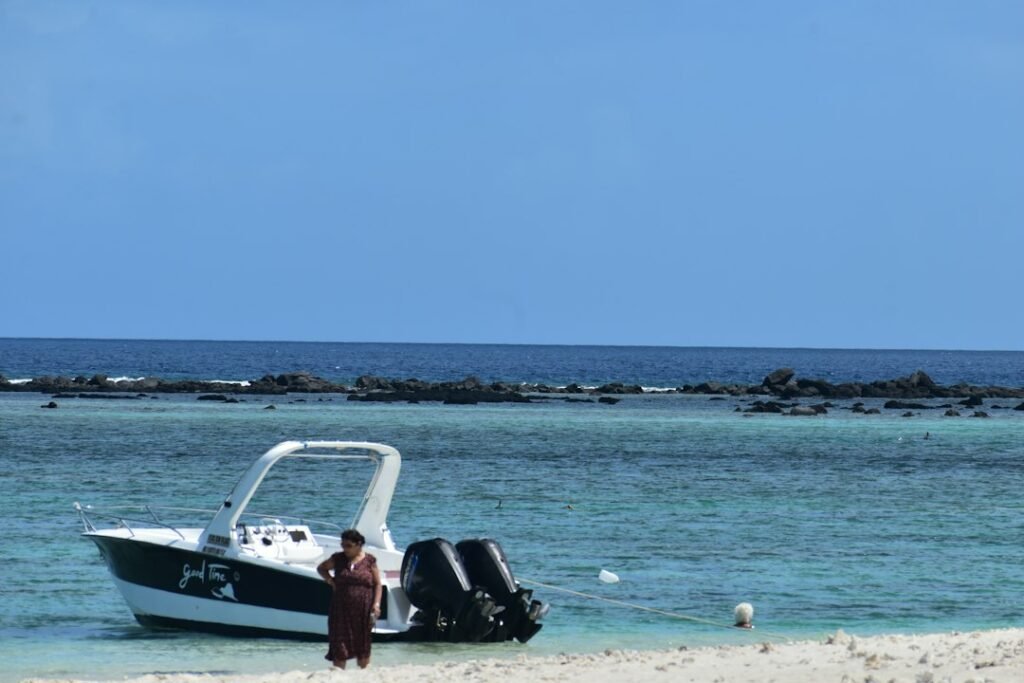

Mauritius winter is winding down as September draws to a close, but this year the island’s cooler, drier season has surprised both locals and visitors. If you’re planning a trip from Europe’s summer heat, here’s a personal update on what to expect from the weather, outdoor conditions, and how it might shape your itinerary in these last weeks of the southern hemisphere winter.
- Season dates: Mauritius winter typically runs from May to October; summer starts in November.
- Rainfall data: From September 1 to 15, 2026, the central plateau received 78mm of rain (122% of the long-term average); northern Mauritius had 43mm (215% of average).
- Climate note: September 1, 15, 2026 marks the fourth wettest first half of September in the past 20 years (data: Vacoas meteorological station, published September 20, 2026).
Understanding Mauritius’ Two Seasons
Unlike Europe, Mauritius doesn’t have four seasons. Instead, we switch between summer (hot and humid, November to April) and winter (cooler, drier, May to October). Right now we’re at the tail end of the cooler months. That usually means clear skies, sunny afternoons and mild daytime temperatures, ideal for hiking, exploring the markets, or hitting the beach without the intense tropical heat.
But this September, the weather’s thrown us a curveball, with downpours making the start of the month far wetter than usual, particularly inland. The Mauritius Meteorological Services just confirmed that the central plateau saw 78mm of rain in the first half of September, a whopping 122% of its usual amount. And the north really saw a deluge: 43mm, or 215% of its average for this time, placing it among the wettest starts to September of the last two decades.
Mauritius Trip Planner
What Does This Mean for Travelers?
If you’re arriving in Mauritius now, you’ll find the days warming quickly on the coast, but there’s still a pleasant coolness on the plateau and in the evenings. I’ve noticed that outdoor cafes in Curepipe or Moka still fill with locals in light sweaters at night, though you’ll probably be comfortable in a T-shirt during the day if you’re by the sea.
The exceptional September rain means you might see lusher green in the interior, and waterfalls are spectacular this time of year. Most rain falls in short, sharp bursts, usually earlier in the day, so your plans are unlikely to be washed out. Still, carry a light rain jacket if heading inland, especially on hikes in areas like the Black River Gorges or near Grand Bassin.
Beach and Outdoor Conditions
Despite more rainfall inland, the coasts are already heating up as summer approaches. Afternoon temperatures on the beach are perfect for swimming and water sports, and the extra rain has had little impact on water clarity. If you plan to travel to the central highlands or take early morning excursions, bring a light jumper, nights can still get a little crisp, especially in places like Curepipe or the plateau. Sunscreen and a hat are still essential, even with more clouds than usual.
When Does It Really Get Hot?
Locals expect summer’s characteristic heat and humidity to kick in by early November. That’s when daytime highs push above 30°C across much of the island and rain showers get heavier but also more predictable. The best news for travelers now is that humidity is still manageable, making hiking and sightseeing more comfortable than in midsummer.
If you want more weather details for your precise travel period, check the Mauritius Meteorological Services for up-to-date forecasts. Or read our recent guide, Mauritius Weather Today: Sunny Skies, Mild Temperatures, and Outdoor Tips, for day-to-day commentary from the ground.
Practical Tips
- Pack both summer clothes and a sweater or light jacket for evenings or trips up to the central plateau.
- The rain often clears by late morning, so you can plan outdoor activities with minimal disruption.
- Check local forecasts before venturing into nature reserves or planning boat trips, as brief squalls can pop up with little notice.
- Bring waterproof shoes or sandals for muddy hiking trails, especially this month.
To sum up, Mauritius winter is officially ending but this year is finishing on an unusually wet note. That means a greener island, brisk evenings inland, and superb air quality. As someone who calls Mauritius home, I’d say late September is a fantastic (and slightly underrated) time to visit: fewer crowds, dramatic landscapes, and weather that’s cool enough for adventure and warm enough for the beach.
Source: ION News
Frequently Asked Questions
Is it still winter in Mauritius at the end of September?
Yes, but the cooler season is ending and temperatures are rising quickly, especially along the coast.
How much rain did Mauritius get in early September 2026?
From September 1 to 15, 2026, the central plateau saw 78mm of rain and the north had 43mm, both well above average.
What clothes should I pack for Mauritius this time of year?
Bring summer wear for the beach plus a light sweater or jacket for cooler inland evenings or early mornings.
Does extra September rain affect beach plans?
Rain falls mostly inland and in short bursts. Most days clear by late morning, so coastal activities are rarely interrupted.
Discover Mauritius' lush landscapes and vibrant culture with an island tour during this unique end-of-winter season—book your next adventure at MauritiusEvents.com.
Explore island sightseeing tours →