
Mauritius plastic pollution is a growing concern for both locals and visitors, and the island is ramping up action to keep its shores and waters clean for future generations. Earlier this week, leaders in sustainability, government, and academia gathered at the Royal Green in Moka for a high-level conference that could shape the path towards a plastic-free Indian Ocean.
Key details
- Event: The Plastic Horizon: Ambitions, Gaps, and the Road Ahead in the Western Indian Ocean
- Date held: 26 August 2026
- Location: Royal Green, Moka, Mauritius
- Organisers: Charles Telfair Centre (an initiative of Charles Telfair Education) with Curtin University and the Direct Aid Program of the Australian High Commission
- Featured experts: Prof. Atiq Zaman (Curtin University) and Grégory Martin (Mautopia)
- Focus: Zero waste strategies, circular economy, and national policy integration to tackle ocean plastic pollution
Why Plastic Pollution Matters for Tourists
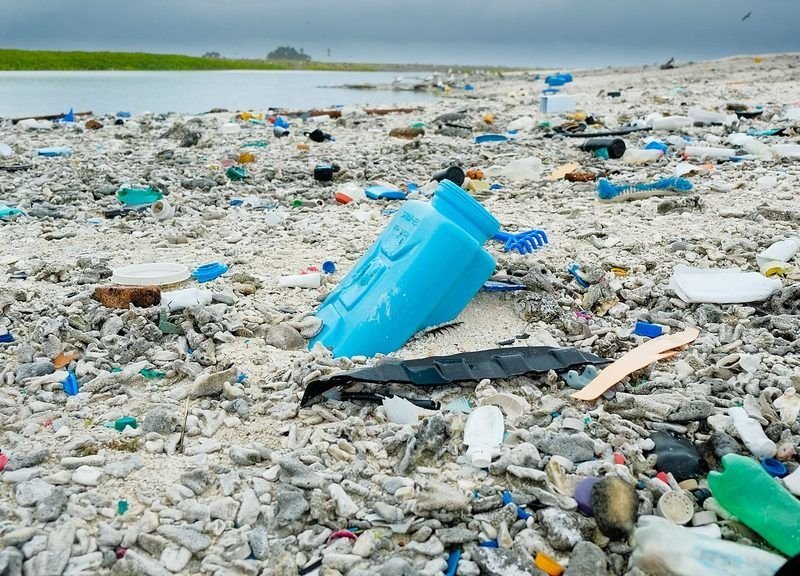
Every year, around 11 million tonnes of plastic enter the world’s oceans, and the Indian Ocean now ranks as one of the main sinks for this waste. For a destination like Mauritius, famous for coral reefs and turquoise waters, plastic pollution threatens not just rare marine species and biodiversity, but also the experiences that draw millions of tourists to its beaches and lagoons. Litter along the coastline and in the sea affects everything from snorkelling conditions to local seafood, and even impacts daily life in coastal villages.
Mauritius has already banned several single-use plastics and is aiming even higher. The government’s long-term vision, as set out in recent policy documents, includes making Mauritius a plastic-free island by 2030. The August 26th conference showed that while targets are ambitious, coordinated action is critical, especially for vulnerable small island states that rely heavily on tourism and the ocean economy.
Mauritius Trip Planner
Zero Waste and Circular Economy: What’s the Plan?
The gathering at Royal Green, led by environmental policy specialist Olga Biegus, focused on practical paths for Mauritius. Prof. Atiq Zaman, an international leader in zero waste, and Grégory Martin from the NGO Mautopia, both stressed the importance of reducing plastic at its source and rethinking product design for reuse, not just recycling.
- Zero Waste Strategy: Reduce plastic flows at the source, manage existing stocks, and ensure plastics that do come into the system are re-used or properly disposed of.
- Circular Economy Approach: Embed waste reduction into climate policy and promote business models (and everyday habits) that keep materials in use longer, cutting waste generation.
The Charles Telfair Centre promised to launch a roadmap highlighting recommendations from this event, designed to guide government, NGOs, and industry over the coming years.
Who’s Behind the Push?
Efforts are not limited to government policy-makers. The push for a plastic-free Indian Ocean now brings together academic experts, local NGOs, international agencies, and business. Her Excellency Kate Chamley, Australian High Commissioner, put it plainly: islands like Mauritius face major risks from plastic, and action must be regional and cross-sectoral. The coalition includes institutions like the Charles Telfair Centre, Curtin University, and NGOs such as Mautopia, making the response broader and more practical than ever before.
Challenges and the Road Ahead
Mauritius faces hurdles: strong habits around plastics, higher costs to switch to eco-friendly alternatives, and patchy coordination across different sectors. Both Zaman and Dr. Myriam of the Charles Telfair Centre said there’s a need to move ‘beyond waste management and recycling’, encouraging market innovations and more education at all levels. As someone who lives here, I can tell you real change involves both policy and community. It’s common to see beach clean-ups and local business initiatives, but what’s needed now is bigger-scale adoption and easier options for everyone, locals and tourists.
For tourists, this means doing your bit: choose reef-safe sunscreens, carry reusable bottles, support accommodation and activity providers with plastic-reduction policies. Mauritius’ future as a top marine and leisure destination depends on cleaner seas and shores. Even small actions by each visitor help drive the circular economy from the ground up.
What’s Next?
According to official sources, a ten-year national strategy for a Plastic Pollution-Free Mauritius (2026-2035) is being prepared. That plan’s recommendations, including those drawn from this August event, will likely set the direction for everything from product import bans to new recycling schemes and industry standards.
To stay up to date, you can check environmental policy updates from Mauritius government or connect with local sustainability groups. For anyone planning a visit, or a longer stay, it’s an exciting time to be part of the ‘plastic-free island’ journey.
Source: Maurice Info
Frequently Asked Questions
What steps is Mauritius taking to reduce plastic pollution?
Mauritius is implementing zero waste and circular economy strategies, banning single-use plastics, and preparing a 10-year roadmap to phase out plastic pollution across the island and its waters.
How does plastic pollution affect tourists in Mauritius?
Plastic waste impacts the island’s beaches, reefs, and marine life, which can affect activities such as swimming and snorkelling, as well as local seafood and community well-being.
Can visitors help Mauritius become plastic-free?
Yes, tourists are encouraged to avoid single-use plastics, use reef-safe products, and support accommodation or activities that demonstrate eco-friendly policies.
Who are the main actors in Mauritius’ anti-plastic pollution efforts?
Stakeholders include the government, NGOs like Mautopia, academic partners such as Charles Telfair Centre and Curtin University, along with international agencies.
Discover the impact of eco-initiatives on Mauritius beaches and connect with local guides for a meaningful travel experience.
Discover catamaran cruises & sea trips →