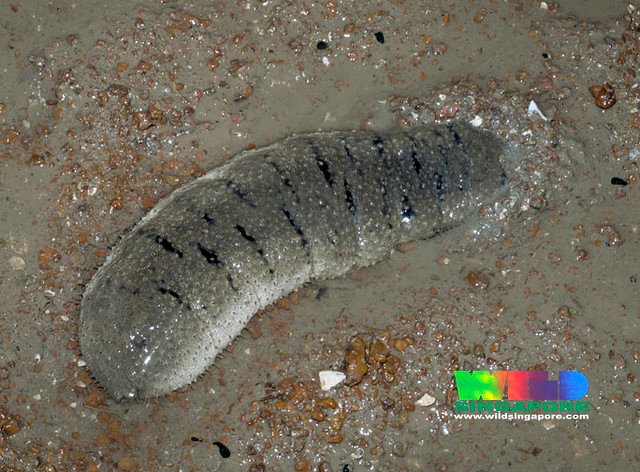

The sea cucumber harvesting ban in Mauritius is now law until the end of 2029. If you’re planning a trip that includes diving, snorkeling, or simply beachcombing, here’s what you need to know about this important regulation, why it matters for our oceans, and how you can help protect marine life during your stay.
Key details for tourists
- Ban applies: Throughout Mauritius, including all beaches, lagoons, and coastal waters
- Prohibition: Total ban on collecting, fishing, or removing any sea cucumbers or ‘barbara’ (including the Scabra variety)
- Regulation valid until: December 31, 2029
- Announced by: Ministry of Blue Economy and Fisheries on August 21, 2026
- Enforced under: Fisheries Act 2023 and dedicated sea cucumber regulations
- Penalties: Offenders may face heavy fines and further legal action (the authorities take this very seriously!)
Why has Mauritius banned sea cucumber harvesting?
Mauritius has acted after years of overexploitation caused sea cucumber numbers to plummet around the island. These animals might look humble, but they play a vital role in the marine ecosystem, acting as the ‘cleaners’ of the ocean floor and supporting healthy coral reefs. Some species, like the Scabra variety, are considered endangered and are valued in medical and cosmetic industries.
The new total ban, running until December 31, 2029, was enacted by the Ministry of Blue Economy and Fisheries. It’s part of a broader push to safeguard marine species, protect biodiversity, and ensure that the ocean can recover for future generations. As a local living here, I can tell you the difference is visible, some snorkel sites are already looking healthier.
Mauritius Trip Planner
How does this affect tourists?
If you’re heading out on a boat trip, diving, or snorkeling, possibly with one of the many licensed operators, be aware that it’s illegal to touch, collect, or take any sea cucumbers or starfish from the sea. This applies not just to sea cucumber harvesting, but to all marine organisms, including shells, starfish, crabs, and even the pebbles you might find attractive. All these creatures have a role in the ecosystem. Removing them damages the natural balance we’ve fought so hard to protect.
- Do not pick up or handle sea cucumbers, starfish, or any marine life, even if you see others do it.
- If you’re part of a guided marine excursion, make sure the operator is aware of the regulations and supports conservation-friendly practices.
- Report any illegal activity you notice to your guide or the relevant authorities, especially if you see locals or other tourists collecting marine species.
A wider push for marine protection
This new ban runs alongside existing regulations protecting all marine mammals (such as dolphins and whales) as well as vulnerable species like turtles. The Fisheries Act 2023 is designed to make sure Mauritius remains a world-class diving and snorkeling destination, famed for its living coral and colorful sea life.
For current weather and sea conditions affecting your marine excursions, check our latest Mauritius weather update. For general travel tips, it’s also smart to read about Mauritius’ approach to sustainable tourism (official tourism site).
Let’s care for our ocean (together!)
At the end of the day, the message is simple: please do not take anything out of the ocean. Starfish, crabs, sea cucumbers, even seashells, these all belong underwater, not in a suitcase. By respecting this law, you help restore marine life and keep Mauritius beautiful for everyone.
Source: ION News
Frequently Asked Questions
Can I collect sea cucumbers, shells, or starfish on Mauritian beaches?
No, all collection of sea cucumbers, starfish, and similar marine life is strictly banned. This includes taking them from water or shore for souvenirs.
What are the penalties for breaking the sea cucumber ban in Mauritius?
Penalties under the Fisheries Act 2023 can include heavy fines and possible prosecution if you are caught collecting or disturbing sea cucumbers or protected marine species.
Does the ban affect diving or snorkeling excursions?
You can still dive and snorkel, but you must not touch, collect, or move any marine life—including sea cucumbers and starfish—during your excursions.
Why is there a ban on sea cucumber harvesting?
Years of overharvesting led to a drastic drop in sea cucumber populations. The ban aims to let the ecosystem recover and protect marine biodiversity.
Discover Mauritius’ vibrant marine life responsibly—book an eco-friendly snorkeling or boat excursion with MauritiusEvents.com and help protect our stunning underwater world.
Discover catamaran cruises & sea trips →