
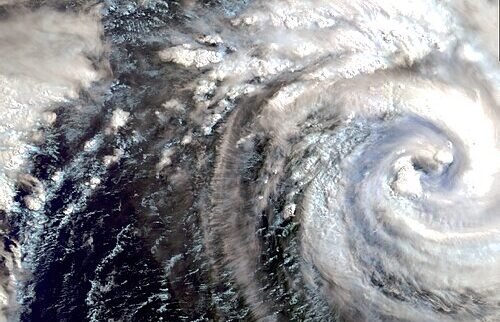

Mauritius cyclone season is something every traveler should understand before booking a trip to this Indian Ocean paradise. As someone living here year-round, I see plenty of sun, smiles, and perfect beaches in July’s dry winter, while Europe sizzles in summer. But our weather story has another chapter: cyclone season. If you’re planning to visit in late 2026 or early 2027, here’s what you need to know.
Key details for Mauritius cyclone season 2026-27
- Cyclone season dates: Generally runs from November to April (2026-2027 season covers Nov 2026-April 2027)
- Current climate signals: Both El Niño and a positive Indian Ocean Dipole (IOD+) expected during this season
- Historical impact statistics (in El Niño years):
- Weekly probability of a cyclone impacting Mauritius and Réunion drops to 3.1% (compared to the usual 4.2%), a 27% decrease
- For the coast of Madagascar, risk drops by 48%
- For Réunion-Mauritius during IOD+ periods, weekly risk decreases to 1.8% (from 4.2%), a 58% drop
- Rodrigues: May see slightly higher risk in El Niño years
- No forecasted cyclone dates yet, this is a trend analysis, not a specific prediction
Cyclone basics: What even is cyclone season in Mauritius?
Cyclone season here means the months when tropical storms and cyclones (like hurricanes in the Atlantic) are possible. Mauritius generally sees a well-defined season, typically lasting from November through April. Outside those months (like this July, as I write), the skies are reliably blue and conditions great for all activities.
During cyclone season, a handful of named storms usually roam the south-west Indian Ocean. Most don’t directly impact Mauritius, but each year can be different. It’s normal for hotels and local businesses to follow strict safety procedures if a cyclone approaches.
Mauritius Trip Planner
Why talk about El Niño, IOD+ and other weather acronyms?
You might see meteorologists throwing around terms like El Niño or Indian Ocean Dipole (IOD). Here’s a simple breakdown:
- El Niño: Happens when a part of the Pacific Ocean is warmer than usual. Even though that’s far from Mauritius, it changes how air moves over the Indian Ocean and shifts cyclone patterns. El Niño often means fewer big cyclones threaten Mauritius directly, and the storms that do form often head more south or southeast instead of west toward us.
- IOD+ (positive Indian Ocean Dipole): This is when the western Indian Ocean (our end) is warmer, the eastern side cooler. It generally reduces the number of cyclones starting near Mauritius, especially early in the season (from October to January). Statistically, the risk of a cyclone affecting Mauritius drops significantly in IOD+ years.
- SIOD: Stands for Subtropical Indian Ocean Dipole, another climate factor still being studied, but can influence cyclone risk too.
The bottom line: With both El Niño and IOD+ expected for 2026-27, Mauritius is looking at a season where statistics suggest fewer cyclone threats than average, though of course, no year is risk-free.
How do these climate patterns actually affect your travel risk?
Let’s turn weather stats into useful planning advice:
- In El Niño years: Cyclones tend to take paths further east and south, decreasing impact on Mauritius and Réunion. Our zone sees a 27% lower weekly chance of a nearby cyclone. Madagascar’s risk drops by close to half. Rodrigues island, which is further east, actually sees a slight increase in cyclone paths heading that way, so it remains more exposed.
- In IOD+ years: The start of the cyclone season (Oct-Jan) is especially quiet for cyclone landfalls near Mauritius, with weekly risk slashed by almost 60%. Strong statistics support this lower risk for our area. However, later in the season, the influence of the IOD+ fades a bit, so normal vigilance returns.
None of this means cyclones are off the table, just that the odds are statistically lower. Even in low-risk years, cyclones can form and approach, so holiday insurance and flexible plans always make sense.
What do locals and hotels actually do if a cyclone is coming?
During my years in Mauritius, I’ve seen that when warnings are issued, things move fast and professionally. Hotel staff are trained for such events, with clear plans for guests. Roads and beaches close as needed, electricity is secured, and tourists are kept updated. Frankly, you’re safer here during a properly managed cyclone than in many other places: the community doesn’t take risks, and the authorities communicate quickly.
These strong safety protocols are a reason to book reputable accommodation and listen to staff or local bulletins (and if you’re a beach person, keep a flexible attitude on weather-dependent activities).
Practical travel tips for cyclone season in Mauritius
- Best months for low cyclone risk: If you want zero risk, visit between May and October (our winter/dry season, and Europe’s summer).
- If traveling Nov-April: Purchase travel insurance that covers weather disruption. Cyclone warnings don’t always mean disaster, but flights or ferries could be delayed a day or two.
- Bookmark official sources: Check Mauritius Meteorological Services for updates and cyclone bulletins.
- Be flexible: If a cyclone warning is in force, expect temporary closures, and don’t plan critical wedding photos or boat trips for those windows.
- Stay in touch with your hotel: Reputable hotels offer up-to-date guidance, and many handle disruptions well. Some high-end resorts even provide complimentary activities indoors during passing storms.
- Travel gear tip: If you plan to visit between December and March, pack a few waterproof pouches for gadgets, plus a light rain jacket. It rains hardest if a cyclone clips the island, but for most visitors, odds are you’ll just see lush gardens and maybe one or two dramatic afternoon showers.
What still remains unknown?
Even experts can’t predict cyclone tracks months in advance. The latest analysis is a broad trend, not an exact forecast. For instance, the evolution of the SIOD (Subtropical Indian Ocean Dipole) is still up in the air, and could influence the real cyclone numbers. Plus, a freak storm can form even in a “quiet” year. The simple advice is: watch trusted channels close to your travel dates, and plan for possible (not likely) short delays.
If you want to explore some of Mauritius’ wildest beaches or hike during your stay, always check the forecast and ask your host or guide for the latest safety guidance, especially from December to March. For more insights on weather safety and real-time updates, you can read Mauritius Weather: Sea Outings Discouraged and Coastal Forecast for July 10.
Quick reference: Typical cyclone season timeline
- November: Season officially starts, but early cyclones are rare, especially in IOD+ years.
- December, March: Peak of season, most risk of storms. In expected 2026-27 pattern, risk is lower than average.
- April: Season ends, storms become rare.
Cyclone season myths & realities
Some travelers imagine cyclone season as constant rain and threat. In reality, most days are sunny with only occasional interruptions, even during peak months. It’s rare for a cyclone to strike directly; most pass hundreds of kilometers away, bringing wind or rain for a day or two. Hotels and airlines are experienced at handling these events, and local people hardly blink unless a really strong system is nearby.
So, should you avoid Mauritius in cyclone season? Not necessarily. If you value total predictability, visit during our winter (May, October). If you’re here for great deals, greener landscapes, and don’t mind a slim weather risk, Mauritius is still an incredible island in our southern summer. Most visitors never even see a cyclone, just a dramatic sky or two and fantastic surf conditions on occasion.
Ready to experience Mauritius while making smart choices? Keep an eye on climate outlooks, chat with your accommodation, and plan to explore the island’s beauty, rain or shine. For more planning help, see Mauritius Holiday: Step-by-Step Tips for Planning Your Dream Trip.
Plan your trip with confidence, Mauritius welcomes you, whatever the weather brings!
Source: cycloneoi.com
Frequently Asked Questions
When is cyclone season in Mauritius?
Cyclone season in Mauritius typically runs from November to April each year.
Will El Niño and IOD+ make cyclones less likely in 2026-27?
Yes, statistics suggest El Niño and IOD+ both lower the risk of cyclones directly impacting Mauritius for 2026-27.
Should I avoid visiting Mauritius in cyclone season?
Not necessarily. With reduced risk this season, most days are sunny, but it's wise to get travel insurance and check weather updates.
What should I do if a cyclone warning is issued while on holiday?
Follow hotel and local authority instructions, stay indoors, and expect possible short travel delays. Safety is a top priority on the island.