
Swimming with whales in Mauritius might sound tempting, especially if you’re dreaming up your trip from a summer-soaked Europe. But if you’re planning sea excursions for your holiday, there’s something you need to know: swimming with whales is strictly illegal in Mauritius. Even with the ban, some tours still openly advertise close encounters. Here’s what’s really happening, and why it matters for tourists.
Key details for tourists
- Swimming with whales is banned in Mauritius since 2012.
- Responsible whale and dolphin watching from a boat is allowed.
- Multiple operators, especially on the west coast, are reportedly still offering in-water whale experiences despite the law.
- No official timeline for updated enforcement or stricter regulations as of July 2026.
Swimming with whales Mauritius: What’s really legal?
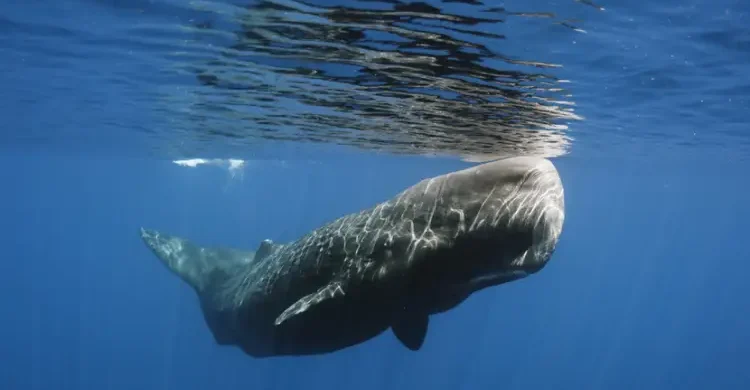
The law in Mauritius is clear: while you can observe whales and dolphins from boats, getting into the water with whales is not allowed. This rule went into effect in 2012, reflecting both safety concerns and the vulnerability of local whale populations. But recently, social media ads and company websites have shown that some tour operators are ignoring the ban. They offer packages that promise swimming with sperm whales, activities that are entirely illegal here.
I live on the west coast myself, and I see these adverts making the rounds every season. The reality: no matter how well-packaged or tempting these excursions look online, they breach Mauritian law. More importantly, booking such an experience puts both you and the animals at risk.
Mauritius Trip Planner
Why this law matters for tourists
First, there’s a strong chance that enforcement will increase in the coming seasons. You could end up with your tour cancelled last minute, or worse, face fines or involvement with local authorities. But beyond that, there’s an ethical issue. The local population of resident sperm whales is thought to be only about twenty individuals. Every time people swim with them, it adds pressure to a species that’s already under threat.
Local environmental NGOs have raised concerns about this, and the government has discussed tightening regulations. In April 2026, the issue even came up in Parliament: MPs questioned why enforcement was so lacking, and why so many licensed boats seemed to operate unchecked. The Tourism Minister Richard Duval admitted nearly a hundred boats regularly work on the south-west coast alone, out of 278 licenses in all, a lot of potential for uncontrolled wildlife encounters.
What’s allowed: Responsible marine excursions
If you want to see marine mammals up close, don’t worry, Mauritius is still one of the best places in the Indian Ocean for ethical whale and dolphin watching. You’re welcome to join a certified boat trip and enjoy observations from a safe distance. Operators should follow a code of conduct, staying back to avoid disturbing the animals.
Here’s what to ask before booking:
- “Do you enter the water with whales or dolphins?” (If yes, walk away.)
- “Are your guides trained in responsible wildlife viewing?”
- “How many people will be on the boat?” (Small groups are better for the animals and for you.)
For a guide to spectacular, wild beaches and responsible ways to enjoy Mauritius nature, see our local’s guide to Gris Gris Beach.
What’s being done (and what isn’t)
Is the government enforcing the law? That’s been a big question this year. Despite earlier promises, like plans for a special enforcement squad drawn from the National Coast Guard, Tourism Authority, and Fisheries Division, little has changed as of July 2026. Discussions about stricter regulations are still ongoing, reportedly slowed by disagreements and a lack of funding. Meanwhile, illegal excursions continue to show up across social platforms with no visible crackdown.
For now, the burden is partly on travellers. Every time a tourist books an illegal swim, it creates more demand and makes it harder for regulators to send a message.
Travel advice: How to be a responsible visitor
- Never book an excursion that advertises swimming with whales in Mauritius, even if the ads are slick and reviews look legitimate.
- Report illegal offers to your hotel, the Tourism Authority, or to local NGOs.
- Support operators who practice ethical whale and dolphin watching.
- Remember: respectful wildlife experiences help keep Mauritius unique and beautiful for future visitors.
If you’re after wildlife adventures, there’s plenty to choose from without putting yourself or vulnerable species at risk. Check official updates from the Mauritius Tourism Promotion Authority or local conservation groups for new regulations as they develop.
Source: Editor + www.topnews.mu
Frequently Asked Questions
Is swimming with whales allowed in Mauritius?
No, swimming with whales has been banned in Mauritius since 2012. You may only observe whales from a boat.
Why is swimming with whales illegal in Mauritius?
The ban exists to protect the small, vulnerable population of resident sperm whales and to ensure tourist safety.
Are any marine excursions with animals legal?
Yes, responsible boat-based dolphin and whale watching tours are legal when conducted according to official guidelines.
What should I do if I see a tour advertising swimming with whales?
Do not book the excursion and consider reporting it to your hotel, local NGOs, or the Tourism Authority.