
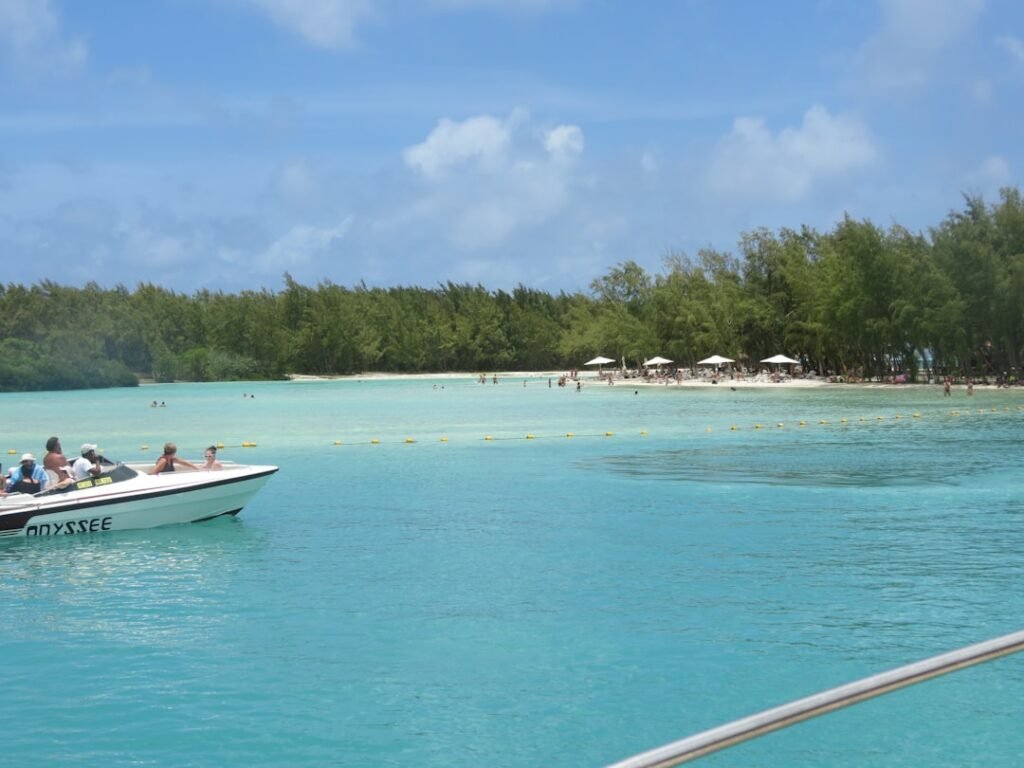

The Bel-Ombre hotel project is currently making headlines for all the wrong reasons. Instead of promising new luxury stays and exclusive beachfront escapes, the KPMM hotel development at Bel-Ombre has ground to a halt due to a mountain of unpaid land fees worth Rs 43 million. Tourists considering a trip to Mauritius, especially those eyeing the quieter, beautiful south, should be aware of these setbacks and their wider implications.
Bel-Ombre Hotel Project: What Happened?
Bel-Ombre sits in the south of Mauritius, known for its wild coastline and lush landscapes. It’s an area that balances high-end resorts with stretches of wilderness, and it’s a cornerstone of sustainable tourism for the island. The KPMM group launched a large-scale hotel project here, right on the Pas géométriques, which refers to land running along the public beach and coastline. But as things stand, the entire venture is frozen because Rs 43 million in land rental fees remain unpaid.
This isn’t a minor hiccup. With such high stakes, no further construction will move forward until the payment dispute is resolved, and that could take months or longer. For anyone planning ahead and looking for fresh new accommodation options in Bel-Ombre, this means fewer choices, at least for the foreseeable future. If you, like many travelers, value having a range of hotels and want to experience this unique corner of Mauritius, this project’s delay might affect your options.
Mauritius Trip Planner
Why Is This a Big Deal for Tourists and Nature?
Here’s where things get even more complicated. The whole saga isn’t just about money or missed hotel openings, it’s about land use and environmental responsibility.
- UNESCO Biosphere Reserve Status: Parts of Bel-Ombre are within a designated UNESCO Biosphere Reserve, protected for their extraordinary biodiversity and fragile ecosystems. The idea that land within such a zone can be rented out for commercial hotel development is, frankly, outrageous. This raises serious questions about Mauritius’ commitment to sustainable tourism and conservation.
- Impact on Beaches and Nature: The specific parcel in question would take away about half of the beach from public access. That’s not just bad news for locals and beach-loving tourists, it’s a huge pressure on local habitats and marine life already at risk from overdevelopment.
As someone who lives on the island, I’ve seen how fast the balance between development and ecology can tip. Hotel projects here aren’t just about beautiful rooms and sea views. They affect turtle nesting zones, coral reefs, and the daily life of people who rely on open beaches for relaxation or fishing.
What This Means for Your Trip
If you’re planning to stay in or explore the Bel-Ombre region, here are a few things to keep in mind:
- Accommodation options may remain limited, and you might not see a shiny new resort opening any time soon.
- Public access to certain parts of the beach could eventually be affected if contentious developments go ahead.
- Consider supporting existing sustainable hotels or guesthouses in south Mauritius, which often work closely with local conservation groups.
For those passionate about responsible travel, it’s worth checking whether your chosen hotel participates in conservation or sustainability programs. You can read about sustainable initiatives in the region in our coverage of Trou aux Biches Beachcomber Golf Resort & Spa: Sustainable Beach Stabilisation Project.
The Future of Development in Bel-Ombre: Questions Remain
The ball is now in KPMM’s court. If the Rs 43 million in unpaid fees gets settled, the project may move forward, but it’s not just about paperwork and cash. The real debate is whether a UNESCO Biosphere Reserve should ever allow privatized hotel development on what are, essentially, public natural assets. Many locals and nature lovers, myself included, believe it’s a step too far.
This whole situation shows how complex tourism development can be in a place as special as Mauritius. It’s a reminder that paradise isn’t just found in palm trees and perfect sand, but in responsible planning and a genuine commitment to the environment.
If you want to follow more on sustainable travel in Mauritius or hear about new accommodation options as they become available, keep an eye on official tourism channels and updates from the Ministry of Tourism (see more here).
Source: Défi Media
Frequently Asked Questions
Why is the Bel-Ombre hotel project delayed?
The KPMM hotel development is on hold due to unpaid land fees of Rs 43 million, which must be settled before construction can continue.
Will the hotel delays affect my travel plans?
If you're hoping for new hotel options in Bel-Ombre, choices will remain limited until the dispute is resolved. Existing hotels are still operating.
Is it true part of the Bel-Ombre beach could disappear?
Yes, the proposed project would remove public access to about half of the Bel-Ombre beach, reducing available beach space and impacting local nature.
Why is building hotels in a UNESCO Biosphere Reserve controversial?
Such zones are protected for their exceptional natural value. Allowing land rental and development within them threatens fragile biodiversity and limits public access.