
Mauritius weather anticyclone conditions continue to shape our island’s climate as we move further into the dry winter season. This is one of the best times of year for visitors who want balmy days, clear skies, and excellent beach weather, but it’s important to understand how current weather patterns may affect your plans.
How the Anticyclone Affects Mauritius Weather
An anticyclone currently situated southeast of the Mascarene Islands is leaving its mark on Mauritius. This powerful high-pressure system brings with it moderate southeasterly trade winds, known locally as alizés. These winds generally dispel clouds and sustain drier, more pleasant weather across most of the island, so you’re likely to enjoy blue skies for much of your stay.
According to the latest update from Vacoas Meteorological Services, visitors can expect generally fair weather. There’s a possibility of brief, light morning showers on elevated areas – especially on the Central Plateau – but by late morning, the sun will be shining across both coastal and inland regions. Nights remain mostly clear, though occasional showers may still occur over higher ground.
Mauritius Trip Planner
Temperature Range: Comfort for Tourists
While it’s summer in much of Europe, Mauritius enjoys a cool, dry winter ideal for adventurous travelers who love the tropics but want to avoid stifling heat. Temperatures generally range from 23 to 25°C (73 to 77°F) on the Central Plateau, and between 27 and 30°C (81 to 86°F) along the coast during the day, absolutely perfect for a day on the beach or exploring outdoor attractions.
Nighttime lows dip to sensible levels: 16 to 18°C (61 to 64°F) on the heights, and 20 to 23°C (68 to 73°F) closer to the shoreline. If you’re sensitive to cooler temperatures in the evenings, pack a light jumper or windbreaker, especially if you’re staying inland.
Sea Conditions: What Tourists Need to Know
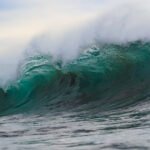
The anticyclonic influence doesn’t stop at land, the sea beyond Mauritius’s protective coral reefs can become rough during such systems. Southerly swells, currently estimated at around 2.5 meters, make the sea choppy offshore during mornings. If you’re an experienced sailor, surfer, or keen on boat excursions, bear in mind:
- High seas are expected beyond reef-protected lagoons, particularly in the morning.
- Marine authorities strongly advise against venturing into deep sea waters until conditions improve later in the day.
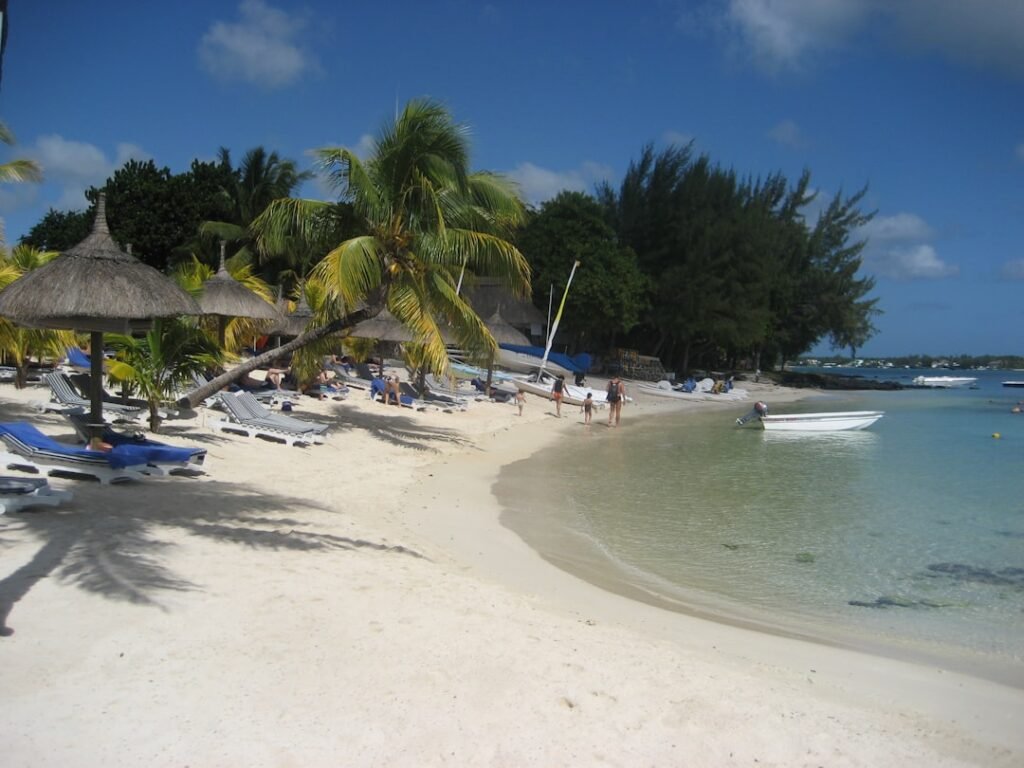
- Swimming is safe within the lagoons, where the reefs break the worst of the swell, but always pay attention to local flags and posted warnings.
This is especially important for travelers eager to explore Mauritius’s famous beaches. For more local beach safety advice and coastal conditions, check our recent article: Mauritius Weather Report: Strong Swell Warning and Coastal Safety Advice.
Travel Tips for Current Conditions
- Early risers: If you plan a sunrise hike or trip inland, expect possible passing showers, pack a light raincoat just in case.
- Beachgoers: Mornings are generally clear but pay extra attention to surf conditions, especially if participating in water sports beyond the reef.
- Cruise/boat excursions: Operators are likely to take extra care or postpone trips during rough sea conditions. If in doubt, double-check with your tour provider and listen to official local advisories for offshore activities.
- Evening explorers: While most nights will be clear, a light jacket will keep you comfortable in the open air after sunset.
Why Does This Matter for Tourists?
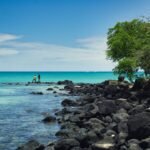
Understanding the impact of the anticyclone helps you make the most of your time here. This week, the prevailing pattern means warm, breezy days and comfortable nights are on offer. Mauritius’s famous coastline is at its best, from Flic en Flac Beach to the untamed south, while offshore activities may require more caution.
The dry winter season, with support from these anticyclones, delivers unbeatable conditions for sunbathing, swimming in tranquil lagoons, and hiking Mauritius’s lush interior. Just be aware of passing showers over the heights, and always check the weather before venturing far afield or onto the open sea. For the latest updates and official weather bulletins, visit the Mauritius Meteorological Services.
With a little planning, you can enjoy everything Mauritius has to offer during this exceptionally comfortable season. Stay safe, respect local guidelines, and soak in the beauty of the island!
Source: defimedia.info
Frequently Asked Questions
What does the anticyclone mean for tourists visiting Mauritius?
The anticyclone brings generally clear weather, fresh trade winds, and comfortable temperatures ideal for beach outings, though open sea conditions may be rough in the mornings.
Is it safe to swim or join boat trips during this weather?
Swimming inside lagoon areas is safe, but boat excursions and activities beyond the reefs are best avoided in the morning due to high seas; always check with local authorities first.
What should I pack for Mauritius during the anticyclone period?
Pack light, breathable clothing for warm days, a rain jacket for occasional showers in the highlands, and a jumper for cooler inland evenings.
How does Mauritius’s winter compare to Europe’s summer?
While Europe enjoys peak summer, Mauritius’s winter offers dry, sunny, and mild conditions—considered some of the island’s best weather for tourists.