
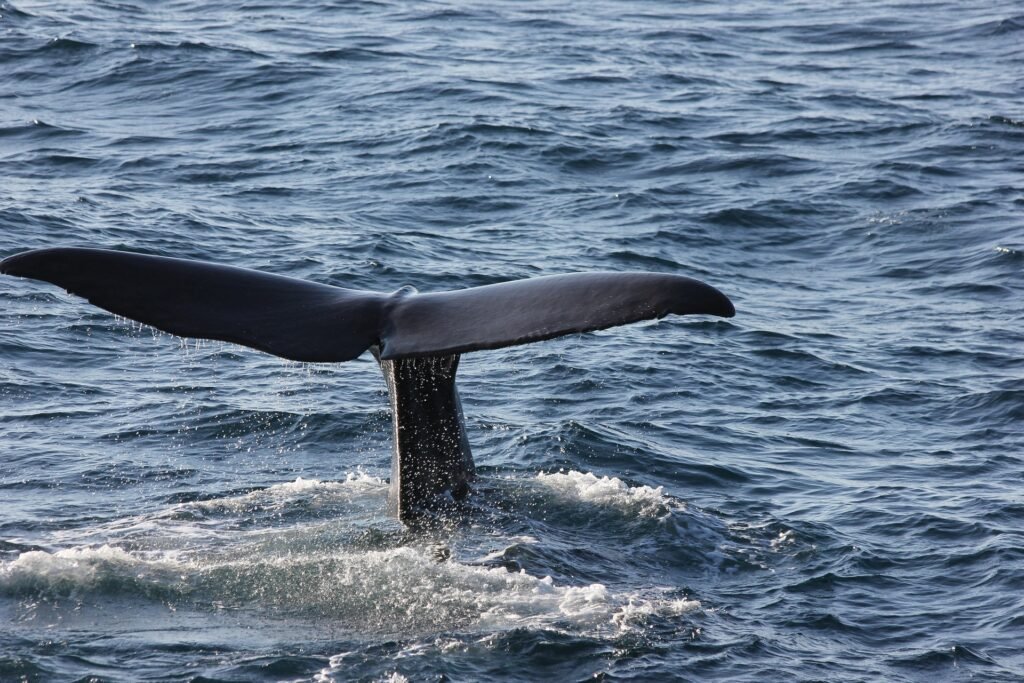

Whale watching in Mauritius has become one of the island’s most exciting travel experiences, drawing nature lovers from around the world to witness majestic sperm whales in their natural environment. However, as a resident of Mauritius, I’ve watched with concern as the growth in unregulated whale watching tourism is impacting both conservation and visitor experiences. This year, the situation reached a tipping point, highlighting why all tourists should choose responsible whale watching and help protect these magnificent animals.
Whale Watching Mauritius: Current Challenges
Mauritius is world-renowned for its clear waters and marine biodiversity, offering unique chances to spot sperm whales – also known as cachalots – right off its coast. Unfortunately, intensified demand for whale watching excursions has led to a dramatic increase in the number of small boats crowding the key observation zones. These boats often approach whales at high speed and disregard fundamental guidelines for interacting with marine mammals.
For tourists, this means whale encounters are often less peaceful – not only for the whales, but also for those onboard hoping for a memorable, respectful experience. Disturbed by repeated intrusions, the normally tranquil whale families are being separated, with their social structures disrupted and even some individuals suffering injuries from boat propellers.
Mauritius Trip Planner
Why Responsible Whale Watching is Essential
- Protecting Wildlife: Sperm whales are protected creatures, and their acceptance of boat presence requires a calm, non-intrusive environment. Aggressive or reckless whale watching disrupts their natural behaviors and risks long-term harm to Mauritius’ whale populations.
- Sustaining Scientific Research: For years, researchers have studied local sperm whale clans, gathering valuable data about their social structures. In 2026, scientists were forced to suspend their studies because whales could no longer behave naturally amid relentless boat traffic.
- Ensuring Authentic Tourist Experiences: The more overwhelmed and harassed the whales feel, the less likely they are to remain visible or demonstrate natural behavior—diminishing the experience for every visitor.
What Tourists Should Know: Tips for Whale Watching in Mauritius
As you plan your Mauritian adventure this winter (remember, while it’s summer in Europe, the island enjoys a mild and dry winter—perfect for outdoor activities), consider the following ways to make your whale watching tour responsible and rewarding:
- Choose operators who demonstrate respect for marine wildlife: Look for companies that limit passenger numbers, follow established codes of conduct, and maintain a safe distance from whales.
- Never encourage or participate in dangerous approaches: A respectful encounter is slower-paced, quietly observing from a distance rather than rushing in for selfies or close-up shots.
- Be patient and appreciate the natural setting: Sometimes the best moments are those when you simply watch from afar as the whales interact undisturbed.
- Support local conservation efforts: Consider contributing to organizations like Longitude 181, which advocate for better marine protections and responsible tourism in Mauritius (Longitude 181).
Advocating for Regulation and the Future of Whale Watching
The current scenario makes it clear: the only way forward is strict regulation of whale watching in Mauritius. Setting limits on the number of boats, enforcing access rules, and requiring training for skippers can all help restore balance between awe-inspiring wildlife encounters and the whales’ own wellbeing. If supported by the government and tourism industry, a sustainable whale watching model can once again enable scientific study and the kind of genuine, respectful experiences that have drawn travelers here for years.
If you’re fascinated by marine life, be sure to explore more of Mauritius’ natural heritage during your stay. For safe outdoor adventures, check the latest local weather in our update: Today Weather in Mauritius: Sunny Skies and Safe Outdoor Adventures Await.
By choosing responsible whale watching, tourists play a vital role in protecting the island’s unique ecological treasures. Your choices matter—for the whales, for future visitors, and for Mauritius itself.
Source: Longitude 181
Frequently Asked Questions
Is it safe to go whale watching in Mauritius?
Whale watching is safe if you choose a responsible operator who respects guidelines and prioritizes whale welfare. Always ask about their approach before booking.
What is being done to protect whales in Mauritius?
Conservation groups are urging the government to introduce stricter regulations and better enforcement to reduce the strain on local sperm whales. Tourists are encouraged to support these efforts.
How can I identify a respectful whale watching operator?
Look for companies that limit boat numbers, keep a respectful distance, and are open about their commitment to wildlife protection.
When is the best time for whale watching in Mauritius?
May falls within the dry, mild winter season—a great time for whale watching, with clear seas and pleasant outdoor conditions.